
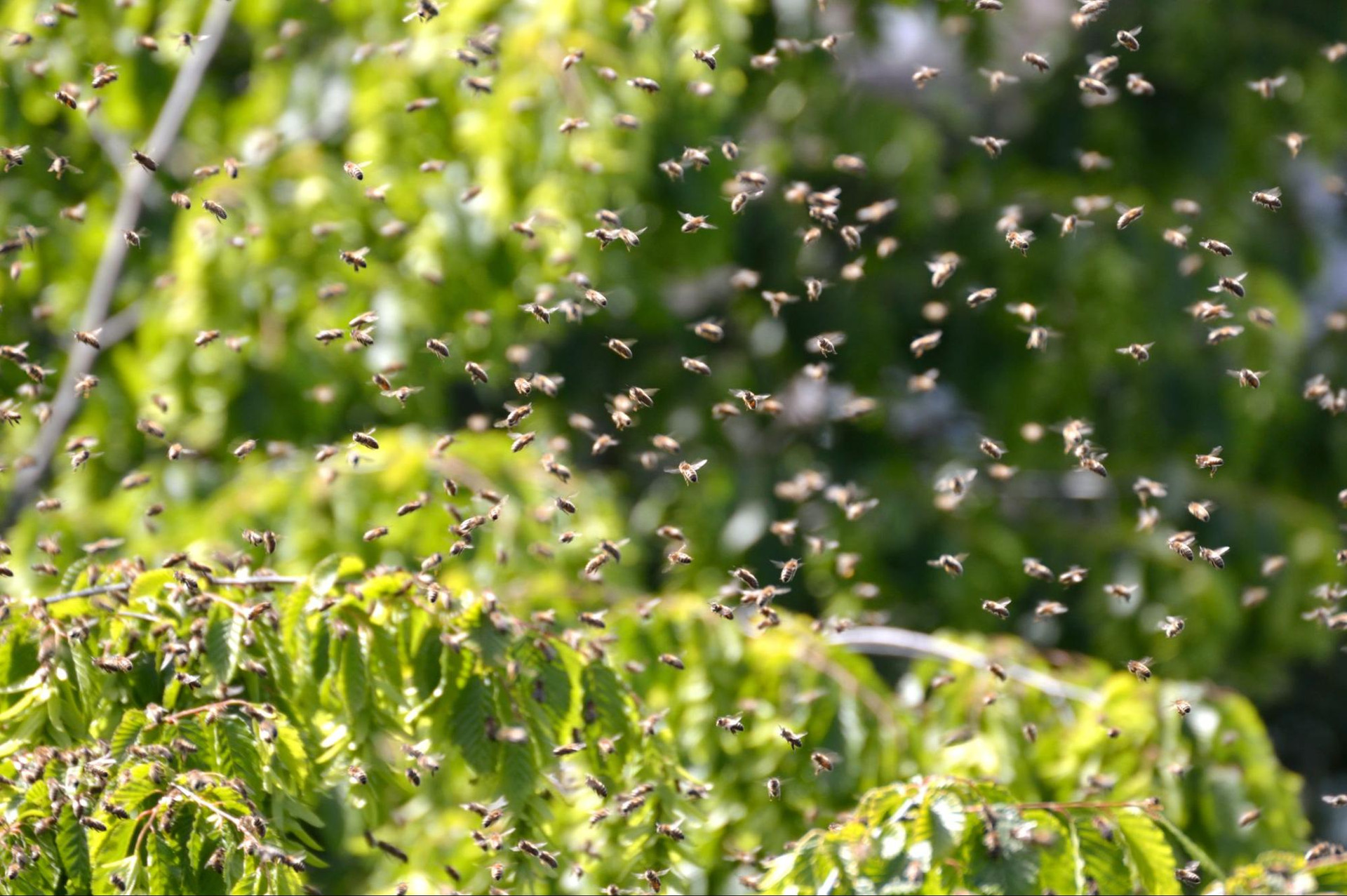
Bee Swarm Prevention Tips
Bee Swarm Prevention Tips for Beginner Beekeepers
TL;DR: While swarming is a natural reproductive process for bees, it can be a costly setback for beekeepers. This chapter outlines how to spot the early warning signs of a swarm and implement effective bee swarm prevention strategies to keep your colony intact.
- Warning Signs: Look for swarm cells at the bottom of frames, "backfilling" of the brood nest with nectar, or a sudden drop in foraging activity.
- Prevention Tactics: Manage space by adding supers early, open the brood nest to give the queen room to lay, and improve ventilation to reduce stress.
- Advanced Techniques: Use "splitting" to divide strong colonies before they swarm naturally, and re-queen annually to maintain stable leadership.
- Safety Net: Set up swarm traps with old comb and lemongrass oil near your apiary to catch any swarms that do escape.
If you have been following our guide, you’ve installed your bees and started your routine inspections. However, one of the most challenging events to anticipate and manage is bee swarming.
While swarming is a natural phenomenon in the life cycle of bees, it can be quite problematic for beekeepers, disrupting productivity in the process.
This guide will walk you through various effective strategies for bee swarm prevention. Understanding these techniques can help you maintain a healthy and thriving bee colony that continues to yield high-quality produce.
Types of Swarms
There are two primary types of swarms in a bee colony: overcrowding swarms and reproductive swarms. Each has its own unique characteristics and implications for both hobbyists and professional beekeepers.
Overcrowding Swarms
An overcrowding swarm occurs when the honey bees feel a lack of space in their current hive. This can be caused by the following factors:
- Problem: Nectar is being stored in the brood nest, making resources less accessible for bees and restricting their movements.
- Solution: Add supers on top of the hive to expand their space and provide the bees with more room to store nectar.
- Problem: Honey or pollen is occupying the brood nest, leading to no space for the queen to lay her eggs and interrupting the colony's lifecycle.
- Solution: Remove brood frames with honey, and add empty frames. The bees will get to work on drawing combs, and this will give the queen room to lay eggs.
- Problem: Excessive movement and traffic in and around the brood nest, causing unrest and disturbance in the bee colony.
- Solution: Use a top entrance to give foragers a way in without going through the brood nest. This reduces hive congestion and minimizes the risk of a swarm.
Reproductive Swarms
Many beekeepers think that simply adding a super will keep their honey bees from swarming in the spring, but this is not always the case. While adding a super does provide additional space for honey storage and aids in reducing hive congestion, it has a negligible effect on preventing reproductive swarming.
In the spring, when bees begin to bring in more pollen, they also naturally begin to rear more brood to build up their colony for the season. All these new bees require food, so they begin to eat their remaining honey stores from the winter.
As the bees eat, the honey stores deplete. This makes more room for a new brood. But when the bees reach their own determined limit for brood, they’ll begin to stop the queen from continuing to lay eggs by producing and storing honey in the brood nest once again. Once the brood nest is mostly full of honey, they start to build swarm cells.
Upon capping these swarm cells, the queen leaves the hive with a large number of bees with her. At this point, even if you catch your swarm, the hive has stopped brood production and is down a large number of bees. The chances of this hive yielding honey become incredibly slim. Meanwhile, the remaining bees might also decide to swarm, led by one of the virgin queens.
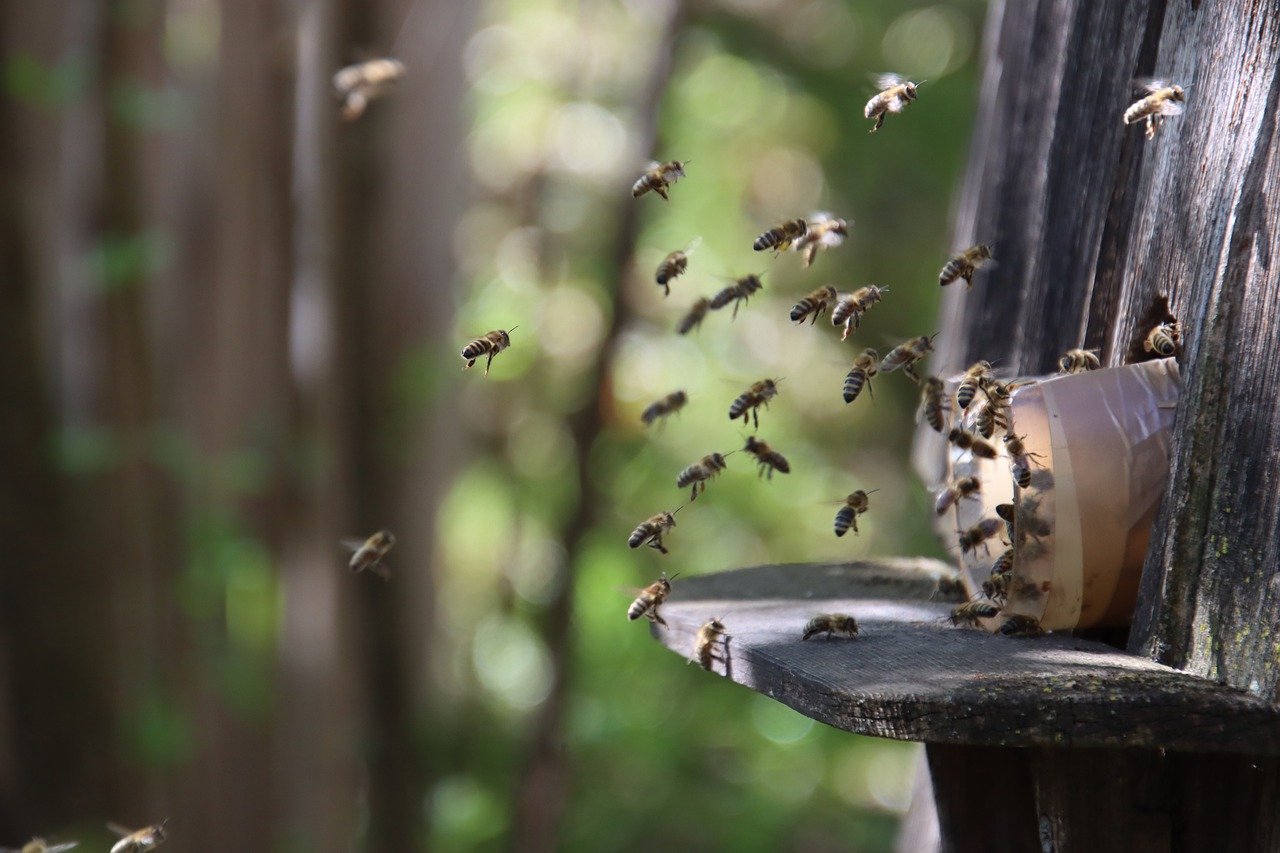
Signs a Hive is About to Swarm
To know how to prevent a bee swarm, you must first catch it early. During the inspections we discussed in Chapter 7, look for these key signs a hive is about to swarm:
- Swarm Cells: If you see large, peanut-shaped wax cells hanging from the bottom of the frames, the bees are preparing a new queen and are getting ready to leave.
- Backfilling: If the brood nest is being filled with nectar (honeybound) rather than eggs, the workers are restricting the queen's space to force a swarm.
- Reduced Activity: Sometimes, foraging slows down as bees gorge on honey to prepare for their flight.
Bee Tip: Location matters! Swarm cells are usually found along the bottom edges of the frame.
If you see a queen cell in the middle of the frame face, it is likely a Supercedure Cell. This means the bees are replacing a failing queen, not planning to swarm. Do not remove supercedure cells!
How to Stop Bees from Swarming
As a beekeeper, ensuring the stability of your hive is paramount. Here are some practical tips to stop bees from swarming and maintain a productive, healthy bee colony.
H3: Regular Hive Inspections
Consistent and thorough hive inspections serve as the bedrock of effective bee swarm prevention. It allows beekeepers to assess hive health, observe changes in bee behavior, and anticipate possible issues before they escalate.
Early detection of queen cells, for instance, can signal an impending swarm. By taking swift action, like requeening or hive splitting, one can often stave off a full-blown swarm situation.
Be on high alert during the 'Swarm Season,' which typically begins during the first warm days of spring and lasts until the summer solstice. Once the main nectar flow ends in summer, the swarming impulse usually fades.
Remember, quick intervention is key. A carefully observed hive is a healthier, more productive one and far less prone to the disruptions caused by swarming. You can learn more about hive inspections in Chapter 7.
Split Your Hives
If signs of early swarms are observed before the main nectar flow, we recommend hive splitting. Simply put, a split is when a beekeeper takes one strong colony and divides it into two separate hives. Think of it as a "controlled swarm."
In a natural swarm, the bees run out of space and split themselves. Typically, half leave, and half stay.
When you perform a split, you are doing this preemptively. You move frames of brood, honey, and bees into a new box before they decide to leave. This stops the swarm urge and leaves you with two colonies instead of one.
Some beekeepers create a split by taking the old queen along with all but one frame of the open brood. The original hive is left with a capped brood, one brood frame of eggs/open brood, no queen, and empty supers. This method discourages new swarms. The original hive won't swarm without a queen, and the new hive won't due to its lack of foragers.
However, prevention is still the best strategy. Carefully monitoring your hives helps you prevent swarming from forming rather than dealing with them once they've begun.
Bee Brief: When splitting hives, ensure both original and new hives have equal brood, pollen, and honey. A proper split can maintain the productivity of the original hive while establishing a strong start for the new one.
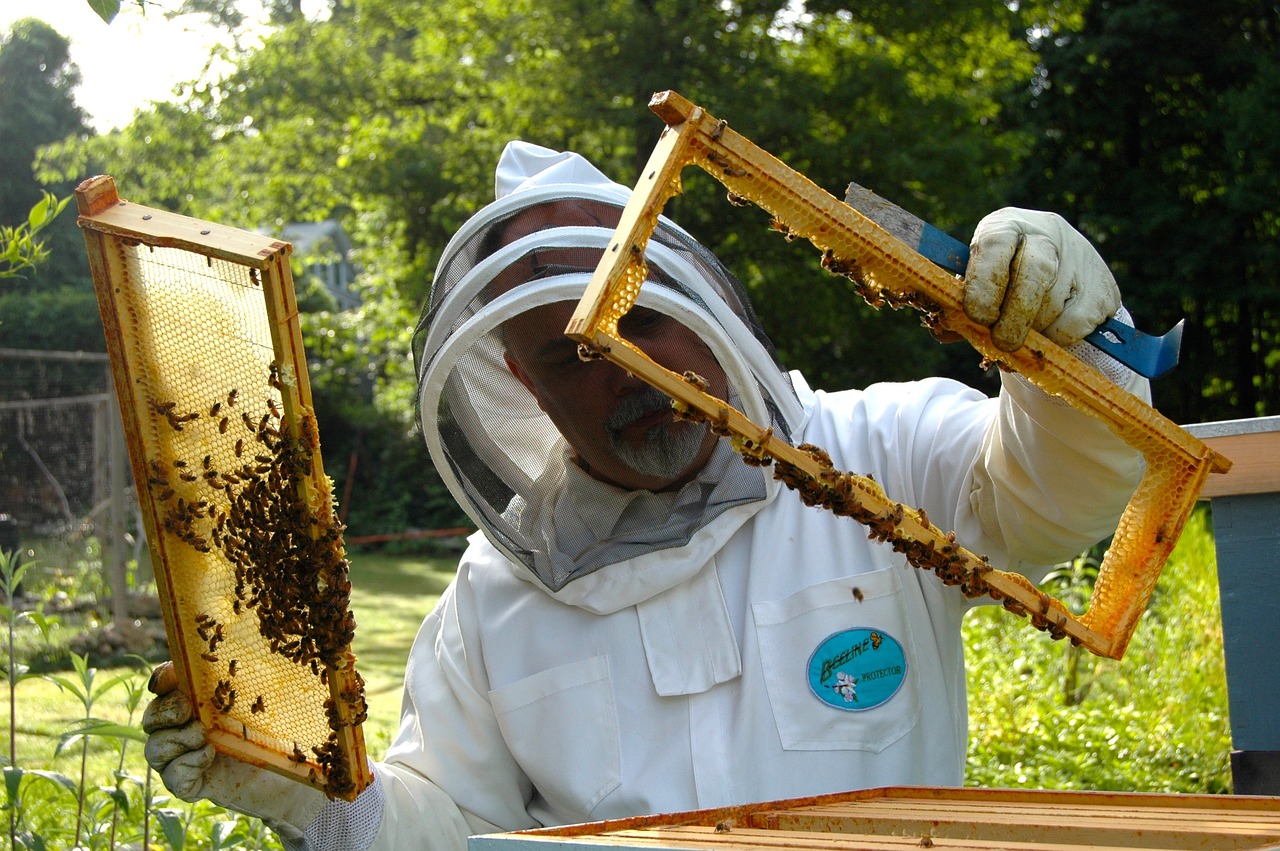
Open the Brood Nest
Maintaining an expansive brood nest prevents it from backfilling and helps in keeping the nurse bees busy. If you notice signs of bee swarming before the development of queen cells, you can place empty frames within the brood nest, nestled between two frames.
The number of empty brood frames you will need to add depends on the size of your bee cluster. These vacant frames need to be populated with bees that will construct new comb. As soon as the queen reveals this fresh comb, she will commence laying eggs.
An open brood nest allows nurse bees to stay busy with tasks such as building comb and taking care of the brood while expanding the nesting space.
Move the frames of honey and pollen you removed up into the honey super above the brood box. This is often called 'checkerboarding.' It draws the bees upward, reducing congestion in the nursery below.
Requeen Regularly
An older queen's decreasing fertility often disrupts hive organization and promotes swarm behavior.
Inserting a new queen into the hive annually can maintain a steady, high-volume egg production. When worker bees stay busy with new broods, they are less likely to initiate swarming-related activities.
A direct result of requeening is a more stable hive leadership, reducing the frequency of swarming. Staying on top of this practice contributes significantly to a healthier, more productive colony.
Provide Adequate Ventilation
A cool, well-ventilated hive reduces the risk of swarming significantly. Overheating within the hive can stress the bees, inducing the swarm instinct.
For effective ventilation, consider adding upper entrances or screened bottom boards to your hives. These features allow for better air circulation, maintaining an ideal temperature inside the hive.
Coordinating an ideal hive temperature with adequate ventilation not only prevents swarming but also contributes to the overall health of the colony. Therefore, investing effort in regulating the hive environment is vital.
Ensure Sufficient Food Supply
Keeping track of the hive's food can prevent a bee swarm. A constant supply of food is key for the colony, particularly for supporting brood growth. The healthier the brood, the lower the chance of swarming.
Keeping a close eye on honey and pollen levels helps prevent a potential food shortage. In circumstances where natural sources of nectar or pollen are sparse, supplemental feeding becomes necessary.
Consistently maintaining substantial food supplies inside the hive keeps the bees engaged in their tasks, reducing the potential for swarming and promoting overall colony health.
Harvest Hint: Be careful when harvesting honey. Leaving enough reserves is vital as food scarcity can stimulate swarming.
Discourage Congestion
A packed hive can push bees to swarm. It's not just a matter of tight quarters, either. A crowded hive can strain resources, making it harder for bees to perform their necessary duties.
One method to ward off congestion is using follower boards. These helpful tools are added inside the hive to direct the traffic flow of bees, setting up distinct sections for them to work in while helping them utilize all hive space effectively.
By effectively managing bee traffic and reducing congestion, you're creating a comfortable environment for your buzzing workforce. A happy bee is less likely to decide it's time to swarm, making this key to maintaining a productive, content colony.
Swarm Traps
Sometimes, despite a beekeeper's best efforts to prevent a bee swarm, the biological urge to reproduce is just too strong. When prevention fails, mitigation begins. That’s where swarm traps come in.
Swarm traps act as a strategic first line of defense against potential swarms. Positioned near your apiary, these traps collect any bees on the brink of swarming, preventing widespread scattering.
Optimize these traps by incorporating old comb and lemongrass oil, both renowned for their irresistible appeal to swarms. This enhances the effectiveness of the traps, capturing the majority of the swarm before they venture too far.
Despite the unpredictability of swarms, traps remain a valuable tool for beekeepers. They assist in retaining a significant portion of your swarm, mitigating colony loss.
Bee Species and Their Swarming Tendencies
One thing to consider during swarm preparations is the specific bee species involved. Some species are more prone to swarming than others, and knowing this can aid beekeepers in preemptive swarm control.
The table below explores the swarm tendencies of three common bee species:
| Bee Species | Description | Swarming Tendency |
| Western Honey Bee | Most commonly kept worldwide for honey production and pollination. | Moderate. Swarms primarily due to overcrowding and poor ventilation. |
| Italian Honey Bee | Known for its high honey production and gentle nature, making it a popular choice among beekeepers. | Low. Less likely to swarm compared to other varieties. |
| Carniolan Honey Bee | Appreciated for its ability to rapidly increase in population in spring and for its notable resistance to diseases. | High. Tends to swarm more often, requiring beekeepers to frequently control their population. |
Guiding Your Bees Toward Success
By understanding and anticipating their swarming behaviors, you can prevent swarming and raise healthier, more prolific colonies that resonate with the buzz of success.
Remember, every action in the hive contributes to whether a colony will swarm. And while this remains a daunting scenario for any beekeeper, colony swarms are not without solutions.
Likewise, even with good management, pests and diseases can sneak in. Learn how to spot, treat, and prevent common bee illnesses in Chapter 9.