
Beyond Bees: 5 Other Pollinators Your Garden Needs
TL;DR: Beyond honey bees, many other creatures are vital to a thriving garden. Butterflies, moths, beetles, flies, and hummingbirds each bring unique strengths to pollination, ensuring stronger harvests and more vibrant blooms. Creating a welcoming environment with diverse plants, shelter, and water helps support them all.
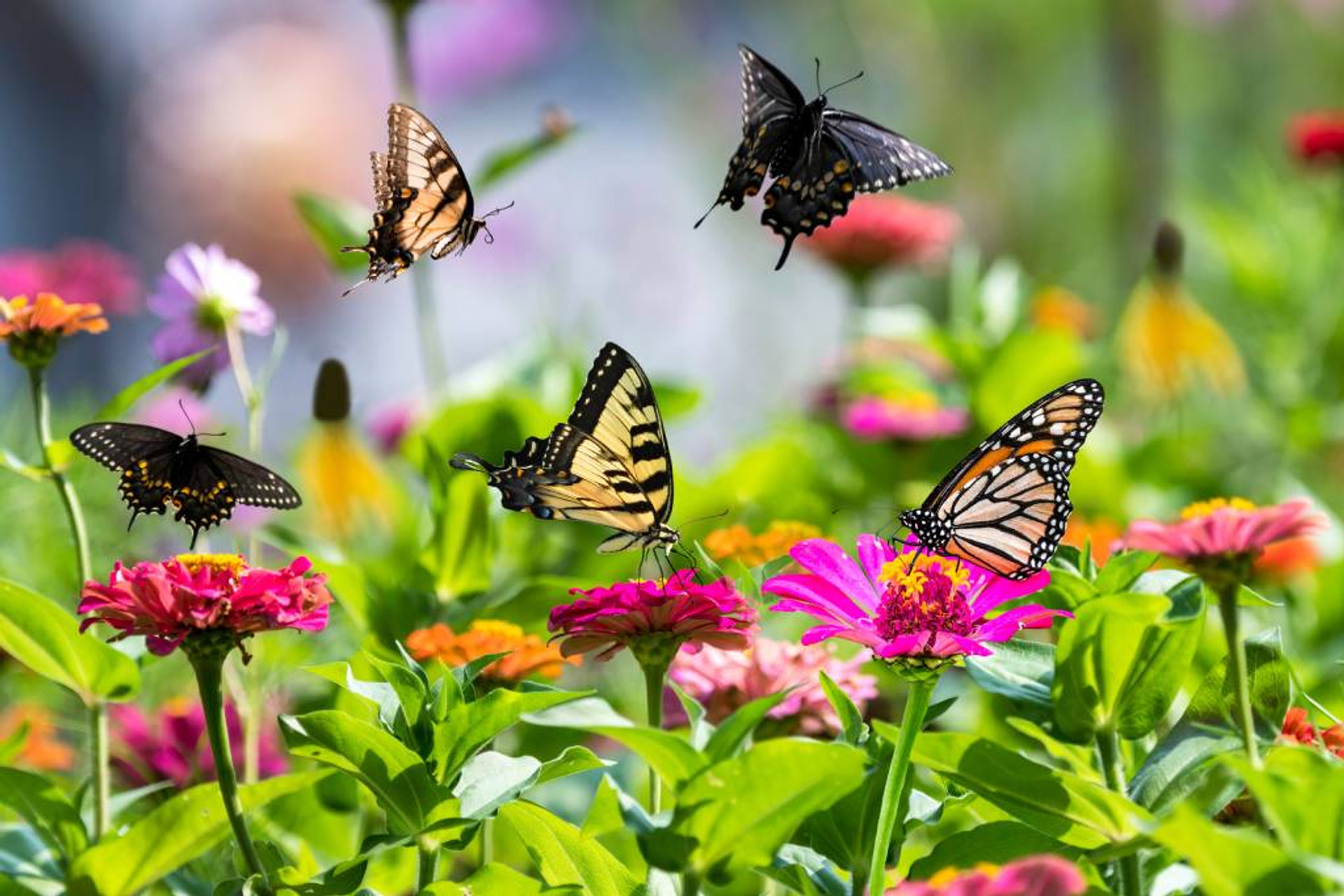
- Butterflies pollinate colorful blooms like coneflowers and zinnias.
- Moths keep night-blooming plants like moonflowers thriving.
- Beetles play a key role in ancient flowers like magnolias.
- Hoverflies aid vegetables and control pests like aphids.
- Hummingbirds spread pollen while sipping from tubular flowers.
Marigolds, lavender, coneflowers, and sunflowers are some of the best flowers to attract these pollinators and keep your garden buzzing with life.
When most gardeners think of pollinators, honey bees come to mind first. While bees are essential, they’re definitely not the only creatures working behind the scenes to keep gardens thriving. Many other pollinators play vital roles in ensuring a balanced ecosystem.
In this guide, we’ll introduce you to five other pollinators that can help your garden look its best. Plus, we’ll answer some frequently asked questions about introducing them. Continue reading to meet the creatures that ensure strong harvests and beautiful flowers!
5 Non-Bee Pollinators to Know
Honey bees and native bees are the top contributors to your garden. However, these five unique pollinators also play critical roles.
1. Butterflies
A butterfly’s long tongues allow them to access nectar from deep flowers while transferring pollen. They are especially drawn to brightly colored blooms like coneflowers, milkweed, and zinnias.
2. Moths
Often overlooked, many moth species are nocturnal and pollinate night-blooming plants. Many species, like the hawk moth, visit pale or white flowers that bloom in the evening, such as moonflowers or evening primrose.
3. Beetles
Some of history’s earliest pollinators, beetles help with magnolias and other ancient flowers. Known as “mess and soil” pollinators, they feed on both nectar and petals. Beetles inadvertently transfer pollen as they crawl around inside blooms. They’re particularly important for plants like magnolias, water lilies, and spicebush.
4. Flies
Hoverflies, in particular, resemble small bees and are excellent for pollinating vegetables like carrots, onions, and brassicas. As an added bonus, hoverfly larvae help control aphids. The young flies provide natural pest management while the adults work as pollinators.
5. Birds
Hummingbirds are among the most dazzling pollinators. Their long beaks and tongues are perfectly adapted for tubular flowers like trumpet vine. As they sip nectar, pollen brushes onto their heads and beaks, spreading it to other flowers.
Frequently Asked Questions About Pollinators
How Do I Get Pollinators In My Garden?
The key to attracting pollinators is diversity. Planting a wide range of flowering plants that bloom throughout the season ensures a steady food source. Providing shelter, such as hedges, tall grasses, or even brush piles, also encourages pollinators to stick around. Avoiding pesticides and offering a shallow water source will make your garden even more inviting.
Do Vegetable Gardens Need Pollinators?
Yes, vegetable gardens absolutely benefit from pollinators. Many popular vegetables rely on pollination for high yields. Without pollinators, fruit set can be poor, leading to smaller harvests.
Do Marigolds Attract Pollinators?
Yes. Marigolds are well-known for their ability to attract pollinators. Their bright colors and nectar draw in butterflies, bees, and even beneficial hoverflies. Beyond attracting pollinators, marigolds are also valued for deterring certain pests, like nematodes and aphids.
Which Flower Attracts the Most Pollinators?
Plants like lavender, coneflowers, sunflowers, and zinnias are widely considered pollinator magnets. They produce abundant nectar and pollen, drawing in bees, butterflies, and other beneficial insects.
Take Your Garden to the Next Level
The pollinators above are unique, but there’s no better pollinator partner than honey bees. You can purchase live honey bees right here at Mann Lake. Shop honey bees now and take advantage of free shipping on most orders.