
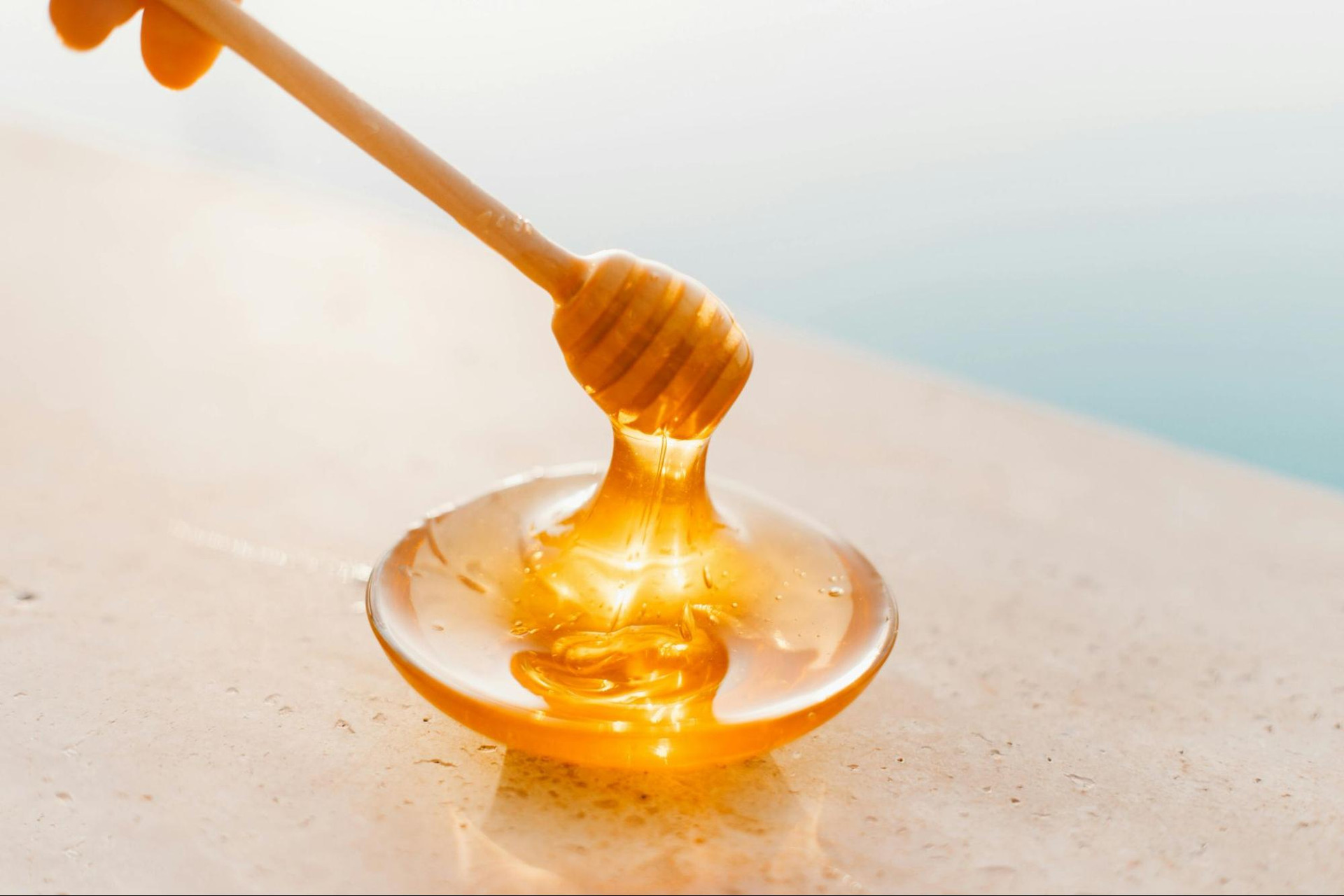
How to Harvest Honey & Hive Products
How to Harvest Honey & Other Hive Products
TL;DR: Harvesting honey is the pinnacle of the beekeeping season, but it requires careful timing and the right tools to ensure both a quality crop and the survival of your bees. This guide covers everything from setting realistic expectations for your first year to the step-by-step extraction process and how to harvest secondary products like beeswax and pollen.
- Year One Reality: Focus on colony survival rather than production; only harvest if bees have secured 60–80 pounds of winter stores.
- Timing the Harvest: Wait until frames are 80–90% capped or pass the "shake test" to prevent fermenting unripe honey.
- Essential Gear: Use an uncapping fork, extractor, double sieve, and bottling bucket to efficiently move honey from comb to jar.
- Bonus Harvests: Don't waste the byproducts! Collect beeswax cappings for candles, propolis for tinctures, and pollen as a superfood supplement.
When it comes to beekeeping, many new beekeepers have questions, specifically about how to harvest honey. One question we hear most is, “When will I get honey, and what do I need to extract it from the hive?”
Usually, you won’t get honey in your first year of beekeeping, as the bees need all their honey stores to survive their first winter. After your first full year, it’s likely safe to harvest your honey in late summer or early fall.
In this final chapter, we’ll explain everything there is to know about harvesting honey, including the honey harvesting equipment you’ll need to get the job done! Plus, we’ll share tips on harvesting other bee products, too. Keep reading to learn how to enjoy the fruits of your bee hive’s production!
Harvesting Honey: What to Expect in Your First Year
Before you rush to buy buckets and extractors, we need to talk beekeeper to beekeeper. The vast majority of new beekeepers starting with a package or a nucleus colony should not expect to harvest honey in their first year.
Essentially, your bees are starting completely from scratch. An established colony has existing drawn comb to work with, while a package or nuc has only bare foundation. As we discussed in Chapter 6, it takes a massive amount of energy and sugar for bees to secrete wax and build their home.
In year one, your goal is survival, not bee hive production. The bees need to fill two deep brood boxes with comb, brood, and roughly 60 to 80 pounds of honey just to survive their first winter!
There may be exceptions, but they are rare. For example, if you live in an area with an exceptionally long, heavy nectar flow, or if you started with a strong overwintered colony. Even then, only expect a frame or two of surplus.
As a rule, never take honey unless the bees have secured their own winter supply first. If you rob the hive too early, they will starve before spring.
When to Harvest Honey
If you harvest too early, the honey will be too wet and will ferment. If you harvest too late, the bees might consume it all.
The exact date to harvest honey will vary by climate, but three factors typically come into play:
- Nectar Flow: Most beekeepers harvest immediately after the major nectar flow in their area ends. In many regions, this is late June or July, but some areas have a second flow (like Goldenrod), leading to a September harvest.
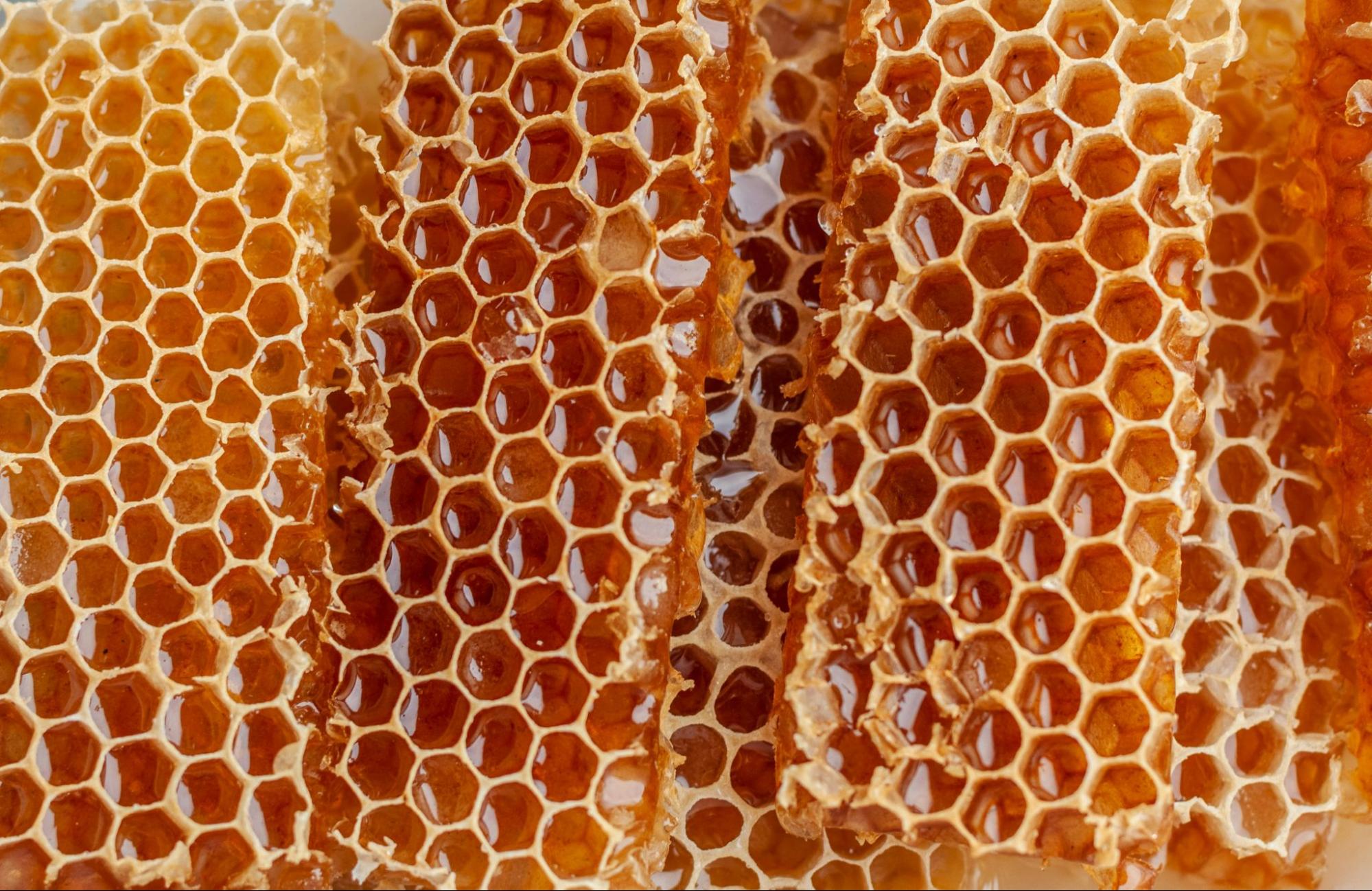
- The Capping Rule: You should only pull frames that are at least 80% to 90% capped with wax. Capped honey is "ripe." Uncapped honey is likely just sugary water that will spoil in the jar.
- The Shake Test: If you aren't sure if an uncapped section is ready, perform the "Shake Test." Hold the frame over the hive, flat-side down, and give a sharp, quick shake. If droplets of nectar fly out, it is not ready. If nothing comes out, the moisture content is likely low enough to harvest.
Getting the timing right is the difference between high-quality honey and fermented syrup. When your frames pass the test, you are ready to move on to the extraction process.
Essential Honey Harvesting Equipment
To facilitate the extraction process, we’ve compiled a list of the essential tools you need to extract honey.
Soft Bee Brush
Our soft bee brush with long yellow bristles is great for gently brushing bees off the hive and frames during inspection and harvesting.
Uncapping Tools
The bees will cap each cell of honey with wax, and you’ll need to remove those cappings to get the honey out. For uncapping your frames, use a bottling pail with the gate in conjunction with a comb capper.
The capper fits any standard five-gallon bucket. Its underside features a recessed arch that provides stability. This allows you to turn a five-gallon bucket into an uncapping tub. Uncapping each side of your frame is easily done with our cold knife , in addition to the economy uncapping scratcher.
The cold knife is 10” long with a wooden handle and a deep separator blade. This blade can be placed in hot water to heat up, making uncapping easier. However, it’s still sharp enough that heating is not required. The blade's flexibility makes uncapping a breeze.
Stainless Steel Extractor
A threetwo-frame stainless steel extractor is the perfect extractor for beginners! This hand-cranked extractor is made from quality 18/10 stainless steel. This tangential extractor can be used with two deep, two medium, or four shallow frames. It also includes the honey gate, cover, and legs.
Bottling Pail
You’ll also want to be sure you have a bottling pail with a gate and filters below your extractor. This bottling kit comes with a five-gallon bucket with a lid and gate, along with one fine filter and one coarse filter. These filters help strain out any bits of pollen and leftover wax cappings.
Measuring Tips: One medium super can hold 40 to 45 pounds of honey. One bottling pail can hold approximately 65 pounds of honey.
Preparing the Extraction Area
Ready to begin harvesting honey? Choose a clean, spacious area for extraction. Honey extraction can get messy, so having a space that is easy to clean and well-ventilated will make the process more enjoyable.
Ensure all your tools, including the honey extractor, hot knife, and containers for the harvested honey, are ready and accessible.
Beekeeper’s Tip: Set the mood! Gentle music can soothe bees during extraction. Create a calm atmosphere to ensure a smooth process.
How to Harvest Honey
When it's time to extract honey, work methodically. Use the hot knife to uncap the honey frames, revealing the stored honey. Then, place the frames in the honey extractor.
Extracting honey requires careful handling to ensure you get as much honey as possible while preserving the integrity of the frames.
Spin the honey extractor according to the manufacturer's instructions. This process separates the honey from the frames, allowing it to flow out through the spigot and into your filter of choice.
Storing Extracted Honey
Ensuring the longevity and flavor of your freshly extracted honey is paramount. Both hobby beekeepers and small-scale beekeepers alike can benefit from adopting best practices in honey storage. This guide outlines essential steps for effectively preserving your liquid honey.
Filtering Honey
Once you've completed the honey extraction process, the next step is to filter the honey to remove any wax cappings and other impurities. The crush and strain method is an effective way to do this, especially for hobby beekeepers with fewer honey supers to process.
This method involves crushing the wax capping and straining the honey through a fine mesh to ensure that only liquid honey remains. It's a straightforward technique that helps preserve the natural qualities of local honey.
Choosing the Right Containers
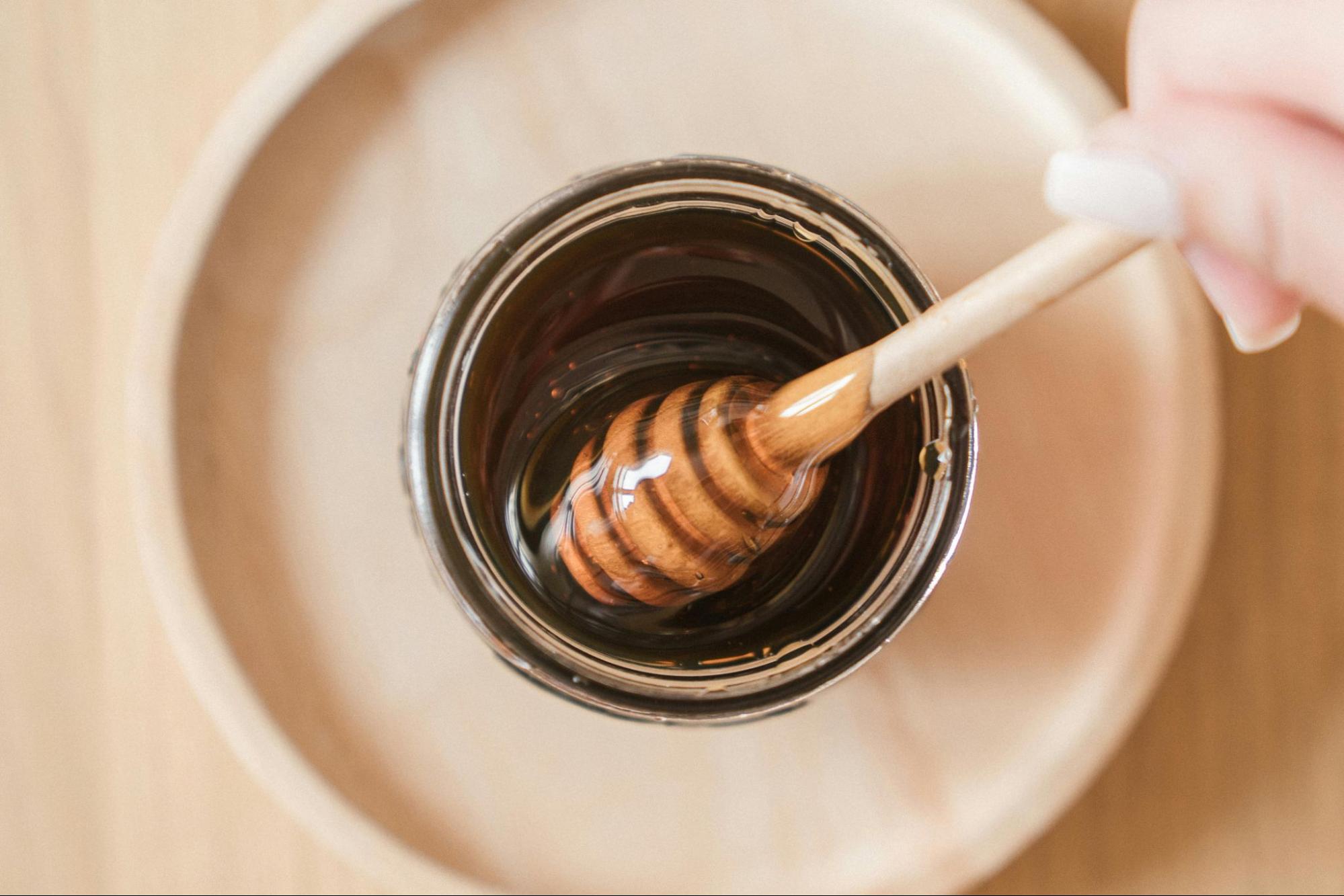
For storing your liquid honey, honey bottles made of glass or food-grade plastic are ideal. Glass is often preferred for long-term storage as it doesn't impart any flavors to the honey and allows the beautiful, natural color of your honey to shine through.
Ensure that the honey bottles are clean and dry before you pour honey into them to prevent fermentation or spoilage.
Ensuring Honey Remains Liquid
To keep your honey in liquid form and prevent crystallization, store the honey bottles in a cool, dry place away from direct sunlight. If your honey does crystallize over time, gently warming the bottle in a water bath can return it to its liquid state without damaging the honey's natural enzymes and flavor.
Managing Wet Frames
After the honey flows from the honey supers and the honey is drained, you'll be left with wet frames. These frames still have a thin layer of honey and can attract pests if not managed properly.
Hobby beekeepers can place these wet frames back into the hive for the bees to clean up, which also gives the bees a small boost in resources. This practice is not only efficient but also sustainable, as it reduces waste and reuses resources within the hive.
Hive Hack: Convert honey-laden frames into beeswax products like candles or balms. This sustainable practice extends hive resources while offering creative outlets for your beekeeping efforts.
Maximizing Honey Flow
To maximize honey flow in subsequent seasons, store your honey supers and frames properly after the bees have cleaned them. This involves ensuring they are dry and stored in a place where pests, like those discussed in Chapter 9, cannot access them. Proper storage of honey supers and frames will ensure they are in good condition for the next honey flow, helping you maintain a productive hive.
Labeling and Selling Local Honey
If you plan to sell your honey, labeling your honey bottles with information about the honey type, harvest date, and contact information can add a professional touch and promote your local honey. Customers appreciate knowing where their food comes from, and local honey is often sought after for its fresh, unique flavors and potential allergy-relief benefits.
Which Honey Extraction Method Is Right for You?
Selecting the right honey extraction method is crucial for beekeepers. The table below can help beekeepers choose between three common extraction methods based on cost, ease, and efficiency.
| Feature | Crush & Strain | Centrifugal | Flow Hive |
| Cost | Low | Medium to high | High |
| Ease | Moderate | Easy | Very easy |
| Quality | High | High | High |
| Suitability | Hobbyists | All levels | Hobbyists |
| Time | Slow | Fast | Instant |
| Frame Reuse | No | Yes | Yes |
| Sustainability | High | Medium | Medium |
Beyond Honey: Harvesting Other Hive Products
The hive produces several other substances that are valuable. As you get comfortable with how to harvest honey, consider collecting these secondary products.
Beeswax
Wax is a natural byproduct of the honey extraction process. That means you don’t need to go out of your way to harvest it. You can easily collect beeswax while harvesting honey.
When you uncap your honey frames, those "cappings" are the purest, highest-quality virgin wax. After the honey drains out, rinse the wax cappings in water and melt them down in a double boiler. This wax is perfect for making lip balms, candles, and furniture polish.
Propolis
Propolis is the sticky resin bees use to seal cracks in the hive. You might also hear it referred to as “bee glue.”
During your regular inspections, you likely scrape this sticky substance off your frame ears and inner covers. Instead of throwing it in the grass, save it! It has potent antimicrobial and antifungal properties!
Many beekeepers dissolve bee propolis in high-proof alcohol to create a tincture for sore throats or immune support.
Pollen
Pollen is the protein source for the hive. You’ll see it stuck to your bees’ hind legs. You can harvest it by placing a pollen trap near the hive entrance. As bees enter, the trap gently brushes the pellets off their legs and into a collection drawer.
Bee pollen is considered a superfood because it’s so rich in vitamins and protein. It can be added to smoothies or yogurt, and is a popular topping found at health food stores.
Be careful not to trap pollen too frequently. The colony still needs enough to feed the brood. Collect it for a few days at a time and then take a break to be sure you’re not robbing your bees.
Taking Your Beekeeping Journey Forward
Beekeeping and honey extraction are both a science and an art that intertwine nature's rhythms with human ingenuity. Each step taken is a testament to the dedication and passion of beekeepers.
Ready to bottle? Mann Lake is here to help you get everything that you need to extract! Shop honey extraction tools today!