
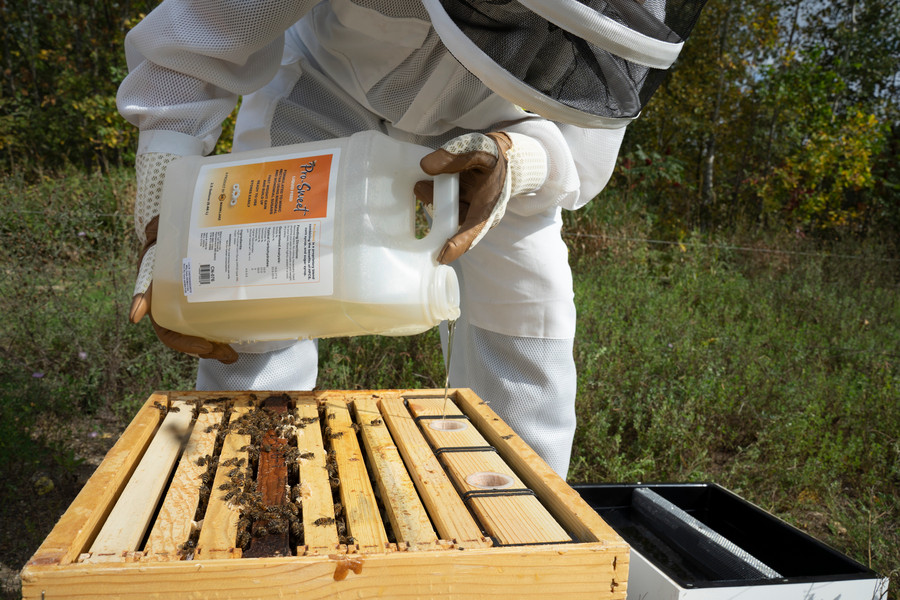
How to Feed Bees After Installation
How to Feed Bees Once They're Installed
TL;DR: Feeding newly installed bee colonies is critical for survival, providing the massive energy reserves needed to produce beeswax and establish the hive. This guide details the specific sugar syrup recipes, feeding schedules, and equipment choices required to transition a package of bees into a thriving colony.
- The Right Menu: Feed a 1:1 mixture of pure white granulated sugar and water (or Pro-Sweet) to simulate a spring nectar flow and stimulate wax secretion.
- Equipment Options: Select a feeder based on your climate and needs, such as high-volume hive top feeders or internal frame feeders that reduce robbing risks.
- Frequency & Duration: Refill feeders continuously every few days until the colony has drawn out comb on 70% to 80% of the brood box frames.
- Safety First: Avoid common pitfalls like using brown sugar (which causes dysentery), feeding with honey supers on, or allowing syrup to ferment in the heat.
If you’ve just finished installing your package or nuc, the hardest physical part of starting your new hive is complete. Congratulations! However, the work of a beekeeper is never done.
As mentioned in the previous chapter, a newly installed colony has an immediate and urgent need for resources. That’s why it’s crucial to learn how to feed bees so you can meet your new hive’s needs right away.
In the wild, a swarm would gorge on honey before leaving to find a new home. However, package bees have often been in transit for days. Likewise, nucs are often placed in new environments where they must quickly learn the local forage. To ensure they build comb and raise brood effectively, you must step in as the provider.
In this chapter, we’ll provide everything you need to know about how to feed bees properly right out of the package. Continue reading to learn how to get started, and then how often to feed your bees after that!
Why Do New Bees Need Feeding?
When you install a package of bees into a hive with bare foundation, they have zero food reserves. To survive, they need energy immediately. More importantly, they need a massive amount of energy to begin to produce beeswax and transform that empty hive into a home.
Bees must consume substantial amounts of sugar to produce beeswax. A rule of thumb in beekeeping is that it takes roughly 8 pounds of honey (or sugar syrup) to produce just 1 pound of wax!
Wax is necessary for the success of the hive. Without drawn comb, the queen has nowhere to lay eggs, and the colony cannot store food. Feeding your bees provides the fuel they need to "draw out" the foundation into usable comb quickly.
That means learning how to feed your bees is key to a successful first year together.
What to Feed New Bees
For a new spring colony, the standard feed is a 1:1 sugar syrup mixture. This simulates a natural nectar flow. A nectar flow stimulates the queen to lay eggs and the workers to build comb.
Aim for a 1:1 ratio. Mix 1 pound of white granulated sugar with 1 pint (or approximately 1 pound) of water.
You can also use pre-mixed feeds like Pro-Sweet, which contains both sucrose and fructose, saving you the mess of mixing it yourself. Beginners often find peace of mind by using a pre-mixed feed. They’ll know their bees are getting exactly what they need to get to work.
We recommend sticking to pure white cane sugar or, if absolutely necessary, beet sugar. Do not use brown sugar, molasses, or organic sugars. All of those sugars contain solids that can cause dysentery in bees. Keep it simple to keep your hive healthy.
Choosing the Right Equipment
Deciding how to feed bees often comes down to selecting the right equipment for your climate and hive setup. There are several types of bee feeders available, each with pros and cons.
Entrance Feeders (Boardman Feeders)
Entrance feeders sit at the hive entrance, holding an inverted jar of syrup. They make it easy to monitor syrup levels without opening the hive and disturbing the bees.
However, entrance feeders can also trigger robbing. Robbing is when bees from other hives steal syrup because the food source is exposed and accessible. Likewise, entrance feeders may not be appropriate for colder climates.
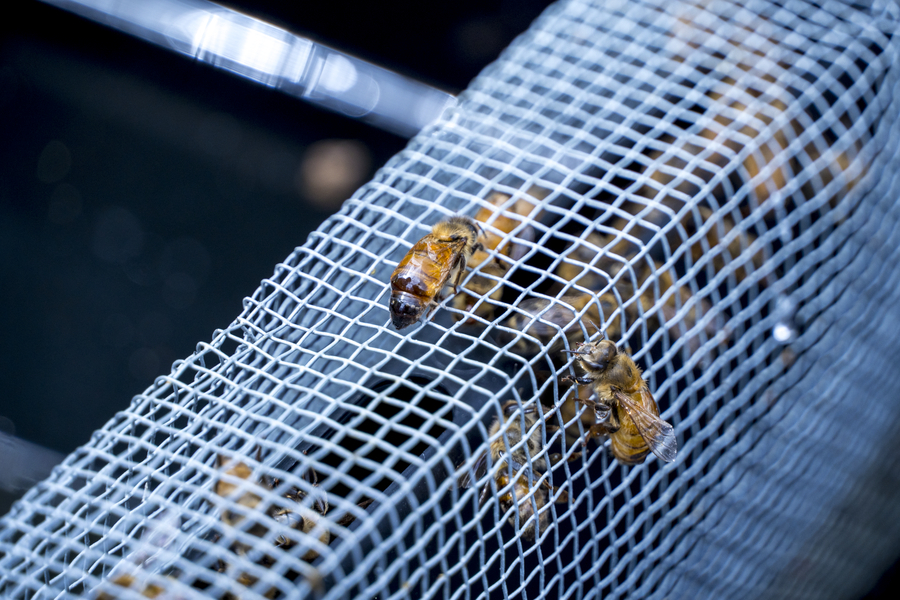
Hive Top Feeders
Hive top feeders sit directly on top of the frames, under the telescoping cover. They hold a large quantity of sugar water, often up to fourgallons! That can considerably minimize how often to feed your bees.
Likewise, with a hive top feeder, your bees can access their food without leaving the cozy warmth of the cluster. They may be a better alternative to entrance feeders for those in chillier climates.
Hive top feeders are positioned above the brood nest, so bees are less likely to access the feed when temperatures are cooler..
Frame Feeders (Division Board Feeders)
Frame feeders essentially replace a standard frame inside the brood box. This solution keeps the syrup nice and warm while reducing the possibility of robbing. However, you must open the hive and disturb the bees in order to provide a refill.
Frame feeders also pose a drowning risk if you don’t take precautions. Be sure to include ladders or floats in your frame feeder. These can keep your bees safe and reduce the risk of incidents.
Pail Feeders
Pail feeders are inverted pails placed over the inner cover hole. They can be a great option if your goal is to get large amounts of feed down quickly. You will, however, need an extra deep box or a super to surround the pail. If not, the outer cover may not close properly.
How Much to Feed Bees and When to Feed Them
New beekeepers often ask how much to feed bees and for how long. The answer depends on the "flow" of nectar in your area and the progress of your comb.
For a new package, you should provide feed continuously. A package can consume a gallon of syrup in just a few days. We advise you to check your feeder approximately every two to three days. If it’s empty, provide an immediate refill.
Aim to feed your new package as often as they will take the food. If the syrup sits for more than a week without being touched, it may ferment. If the syrup looks moldy or cloudy, discard it and start over with a fresh mixture.
How Long to Feed Package Bees?
Knowing how long to feed package bees is crucial to prevent the hive from becoming "honey bound." In a honey bound hive, workers fill every available cell with syrup. That leaves no room for the queen to lay her eggs.
On the other hand, if you don’t feed enough, colony growth can stall. The key is to strike a balance.
As a general rule, aim to continue feeding until the bees have built comb on 70% to 80% of the frames in the deep brood box. Once they have drawn most of the foundation, you can taper off feeding.
Common Feeding Mistakes to Avoid
If you follow the guidelines in this chapter, your bees should have all the fuel they need to build a healthy hive. However, it’s common for beginner beekeepers to make mistakes. Here are the most common errors we’ve seen so you can avoid them.
Leaking Feeders
A leaky feeder has the potential to drown your bees. It could also attract unwanted predators like wasps or ants. We recommend testing your feeder using plain water to make sure it won’t leak before you fill it with sugar syrup.
Feeding During a Honey Flow
Never feed sugar syrup to your bees when you have honey supers on the hive for harvest. You want your honey to be made from flower nectar, not sugar water!
Letting Syrup Spoil
In hot weather, sugar syrup can spoil or ferment very quickly. Consider mixing smaller batches when the weather heats up. You can also add Fumagillin-B or vinegar to prevent mold from growing.
The Final Buzz on Feeding New Colonies
Remember, a strong start in the spring leads to a resilient hive in the winter. Once your bees have established their home and the world is in bloom, you can sit back and watch them switch to nature's own supply.
Your bees are off to a great start! Learn how to maintain a strong, healthy hive with our step-by-step hive management guide.
Shop bee feeders today!