
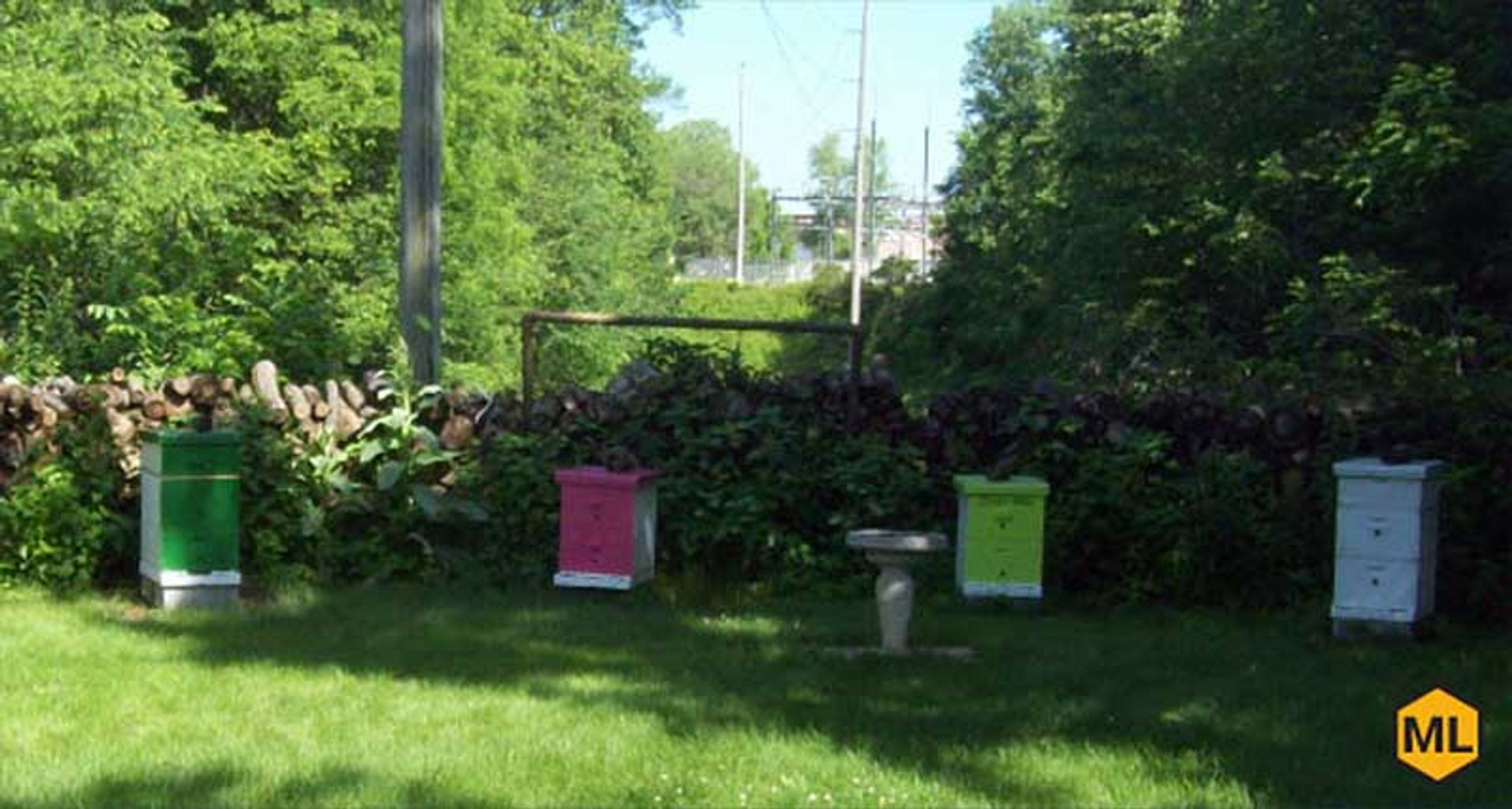
How To Place Your Beehive In The Perfect Location
Where to Place Bee Hives for a Healthy Colony
TL;DR: This chapter explains how to choose the best location for your beehive by breaking down the environmental, practical, and safety factors that influence colony health. It also highlights common placement mistakes and how to avoid them so your bees can thrive year-round.
- How to evaluate hive accessibility, sun exposure, wind protection, and surrounding resources.
- Why hive entrances typically face south or southeast for optimal warmth and early foraging.
- The benefits of using hive stands to improve ventilation, reduce moisture, and deter pests.
- A complete at-a-glance checklist showing the essential criteria for ideal bee hive placement.
- Common placement errors—such as too much shade, poor drainage, or blocked flight paths—and how they impact colony health.
Many people think of beekeepers as living on massive farms far away from civilization. The truth is that honey bees and their hives can thrive in a wide variety of environments. That makes beekeeping a surprisingly accessible hobby. With that said, the question of where to place bee hives still matters, whether you’re an urban beekeeper, a rural farmer, or a suburban hobbyist.
In this chapter, we’ll share everything you need to know about selecting the ideal bee location for your hive or apiary. We’ll include factors to consider, an accessible location checklist, and common mistakes to avoid. Continue reading to find the perfect home for your new bees!
Ease Of Access
When it comes to bee hive placement, you have to keep yourself in mind as much as your bees. You need to be able to easily access and maneuver around your hive.
Make sure there’s enough open space around the back of the hive for you to stand during hive inspections. You should also consider what harvest time is going to look like. When it’s time to collect honey from the hive, how far are you going to have to carry it?
Local Rules, Neighbors & Safety Considerations
Before choosing the best location for your beehive, check any local regulations, zoning restrictions, or HOA guidelines. Some areas require minimum distances from property lines. They may include caps on hive numbers or specific guidelines for placing hives near public walkways.
It’s also helpful to place hives away from high-traffic areas, children’s play zones, or pet paths to keep both bees and neighbors safe.
Surroundings
As with any home, a honey bee hive will need a few necessities. Make sure your bees have a clean and safe water source nearby. Honey bees will travel up to 5miles to forage, so don’t be too worried about them finding a good food source.
On the other hand, it’s never a bad idea to keep a bee-friendly garden.
Finally, it’s important to consider the sun when placing your beehive. Sun exposure will keep the hive warm, but too much might overheat your bees in the middle of the day. Areas with partial shade or dappled sunlight are great compromises. Try to place your hive so that the entrance faces south or southeast.
This will allow the entire hive to get plenty of sunlight early in the morning, and your bees will get an early, productive start to their day.
What Direction Should a Bee Hive Face?
Most beekeepers position their hive entrances facing south or southeast. This orientation gives bees early-morning sunlight, which helps the colony warm up. As a result, they’ll start foraging earlier and stay healthier throughout the season. In extremely hot climates, southeast or even east-facing hives may prevent overheating.
No matter the direction you choose, give your bees a clear flight path so they can enter and exit without obstruction.
Wind Barriers
If you don’t have a preexisting wind barrier in your yard (such as a row of bushes or a solid fence) try to make one so that your bees don’t have to deal with any harsh winter winds. Some beekeepers use hay bales, though this might not be the best solution if you frequently have mice in your yard or around your hives.
You can also build a privacy fence or make your own custom wind barrier out of any solid material. If you can only cover one side of the hive, make sure you place the wind barrier against the prevailing winds. You should also move the barrier a few feet back from the hive to prevent non-prevailing winds from hitting the opposite side and hitting back into the hive.
Hive Stands
Many beekeepers also use beehive stands to raise their hives off the ground. This heightens the security and durability of your hive. By raising your hive off the ground, you prevent rainwater and other moisture from seeping through the bottom board and into the hive.
You also keep the hive entrance further away from grass, which makes it less likely for pests to crawl inside. Additionally, a taller hive is easier to access, saving your back and shoulders as you work within and around your hive.
Choose a location that protects your bees the most to help keep your hives thriving all year round.
Seasonal Benefits of Hive Stands
In winter, hive stands help bees stay dry and improve ventilation. In summer, raising the hive increases airflow and prevents overheating, which is especially helpful in humid climates. Keeping hives elevated also reduces the risk of predators disturbing the entrance. You’ll be glad you kept the skunks away!
Best Location for Beehive Placement: A Quick Checklist
Choosing the best location for your beehive doesn’t have to be complicated! Start with this bee hive placement checklist that includes the most important environmental and practical factors to consider. If a location checks most of the following boxes, you’re well on your way to giving your bees a secure, productive home:
Morning Sun, Afternoon Shade
Early sunlight warms the hive, encourages foraging, and reduces moisture buildup. In hot climates, light afternoon shade prevents overheating.
South or Southeast-Facing Entrance
Hives oriented toward the south or southeast receive optimal morning light. It will also give bees a clear, direct path to begin flying early in the day.
Level, Well-Drained Ground
A stable surface prevents hive tipping and keeps rainwater from pooling around the hive. This can help reduce issues like mold and pests.
Natural or Built Wind Protection
Windbreaks (such as fences or shrubs) help maintain stable hive temperatures and prevent cold drafts from entering the entrance.
Clean Water Source Nearby
Bees need access to water. A shallow birdbath or dripping fountain works well. If there is a natural water source nearby, even better.
Clear Flight Path
Avoid placing hives near walkways or doors. Bees need unobstructed space to take off and land safely without encountering people or animals.
Distance From Neighbors or High-Traffic Areas
Keeping hives away from property lines and busy parts of your yard builds goodwill with those around you. It ultimately reduces accidental encounters with bees.
Elevated on a Hive Stand
Raising the hive protects it from moisture, pests, and predators, while also making inspections easier on your back.
Access for the Beekeeper
Make sure you can comfortably stand behind the hive. You need enough space to carry equipment and move supers during harvest season.
Safe From Flooding, Puddling, and Sprinklers
Avoid low spots or irrigation systems that can saturate the hive or trigger robbing behavior.
Common Bee Hive Placement Mistakes to Avoid
Even with the best intentions, new beekeepers sometimes place their hives in locations that create unnecessary stress for the colony. Below, we’ll outline the most common bee hive placement mistakes, including why to avoid them.
Placing the Hive in Too Much Shade
While partial shade can help prevent overheating in warm climates, too much shade can cause problems. For example, lack of sunlight can lead to excessive moisture. Plus, bees are like people. The sun gives them energy, and a lack of light can make them sluggish when they should be working!
Bees thrive when they receive warm morning sunlight to kickstart their day. Aim to strike a balance that offers warmth and ventilation.
Facing the Entrance the Wrong Direction
If your hive entrance faces north or into prevailing winds, the colony will struggle to maintain internal temperature. It’s hard for a tiny bee to defend against drafts! Always aim for a south or southeast orientation when possible. It’s a small detail that makes a big difference.
Setting the Hive Directly on the Ground
Hives placed flat on the ground are more vulnerable. You’re essentially inviting predators and pests to disturb the hive. Plus, moisture and rot can set in more easily, leading to big problems.
A hive stand elevates the colony, keeping your bees safe from all kinds of dangers, from wet grass to hungry wildlife. It also improves airflow and generally makes every hive inspection just a little bit safer and easier.
Ignoring the Flight Path
Conflicts between bees and humans are more common than you think, especially if the human is unaware that the bees are nearby. Make sure the bees have their own space away from pet areas or high-traffic walkways. That gives them a clear, uninterrupted takeoff zone. Both bees and humans will be happier as a result!
Choosing a Hard-to-Reach Spot
Tucking your hive away into a secluded alcove may look appealing, but it often makes inspections difficult. Easy access equals better hive maintenance and healthier bees.
Overlooking Water and Food Sources
We all know that bees are hard workers, but ideally, the right bee hive placement prevents them from working too hard. Avoid placing the hive too far from water or in areas with limited forage. The harder they have to work, the more limited honey production will be. It could even inadvertently weaken your colony in the event of a drought.
After Choosing the Best Bee Location
Smart bee hive placement can set your colony up for long-term success. Once your hive is set up, you’ll need to install your bees. Learn the step-by-step process for installing packages or nucs.
Shop starter hive kits today!