
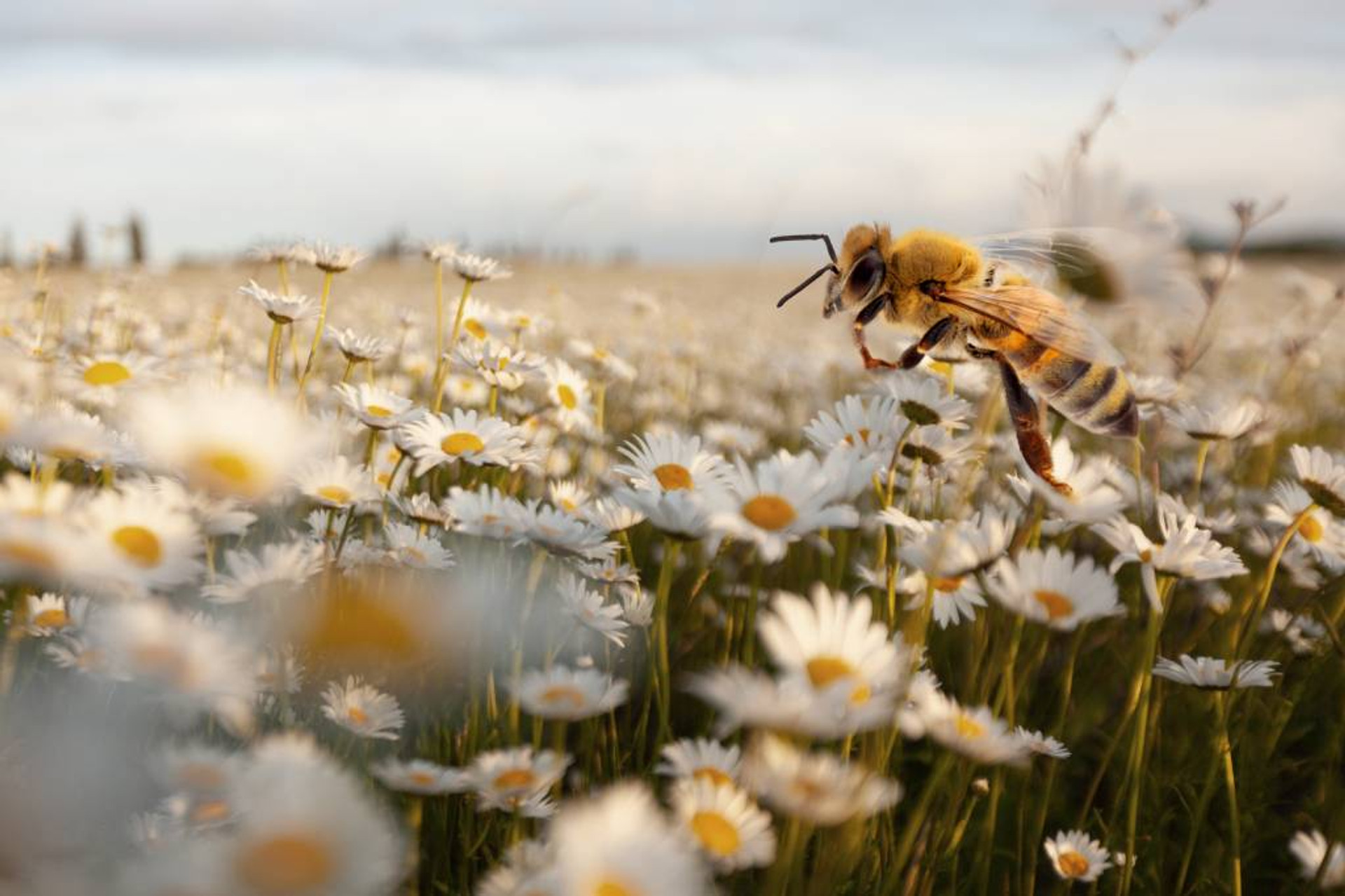
Sustainable Beekeeping: Maximizing Resource Utilization
TL;DR: Sustainable beekeeping is about making the most of hive resources while protecting bees and biodiversity. By reusing materials, choosing durable equipment, and supporting eco-friendly practices, beekeepers can create thriving, low-impact hives.
- Reuse hive resources like “wet” frames and beeswax cappings to minimize waste.
- Invest in durable equipment such as responsibly sourced wooden hive bodies to reduce plastic use.
- Opt for natural pest control with organic treatments like formic or oxalic acid.
- Harvest responsibly by leaving bees with enough honey for winter survival.
- Choose locally adapted bees that resist pests and thrive with less intervention.
- Support biodiversity by planting native pollinator-friendly flowers and avoiding harmful pesticides.
Most beekeepers have one thing in common: they love the natural world. It makes sense, then, that they’d be interested in implementing sustainable beekeeping practices.
In practice, sustainable beekeeping means using every resource, from beeswax to the natural features of the surrounding environment. Eco-conscious beekeepers are likewise thoughtful about the durability and longevity of their beekeeping supplies. They put a great deal of thought into the broader environmental impacts of engaging in this rewarding hobby.
By adopting eco-conscious, sustainable beekeeping practices, you can support bees and biodiversity in your local environment. Below, we’re sharing our favorite tips for creating a sustainable apiary. Keep reading to learn how to put the earth first when caring for your buzzing buddies!
Reuse and Recycle Hive Materials
A core principle of sustainability is to use resources wisely and avoid waste. For example, after harvesting honey, you can return any frames with residual honey on them to the hive. That way, instead of leaving the honey to go to waste, your bees can enjoy the leftovers!
There’s also no need to throw away beeswax cappings or excess comb. They can be rendered and repurposed into useful products. Some beekeepers even make a little money on the side selling beeswax products or honeycomb!
Choose Durable, Eco-Friendly Equipment
When you invest in high-quality hive components, they’ll last for years. You can even choose components made from sustainable materials, such as wooden hive bodies crafted from responsibly sourced lumber. They minimize plastic waste and reduce the environmental footprint of your apiary.
Opt for Natural Pest and Disease Management
Bees are vulnerable to pests like Varroa mites and diseases. However, heavy use of chemical pesticides can harm your colony and contaminate your wax.
Instead, consider equally effective organic and natural remedies. For example, formic acid and oxalic acid are both effective against Varroa. As a result, you’ll have confidence that the honey your hive produces will remain chemical-free. Sounds pretty sweet to us!
Prioritize the Responsible Harvesting of Honey
Taking care of your bees means taking care of the planet. After all, honey bees pollinate roughly 80% of flowering plant species worldwide! That stewardship begins with your approach to honey extraction.
Bees rely on honey to survive long, cold winters, when they cannot forage for pollen and nectar. When it’s time to harvest, only take the surplus honey that the colony can truly spare. This gentle approach to honey extraction is a cornerstone of ethical, sustainable beekeeping. Taking care of your bees means your bees can continue to pollinate the local ecosystem.
Choose Optimal Bee Species
Sustainable beekeeping can begin from the moment you bring your bees home! Both the breed and source of your bees can be part of your sustainability plan. Choose bee species that are well-suited to your local environment.
Ideally, prioritize species that are naturally resistant to pests and diseases. For example, Russian honey bees are known for their natural resistance to Varroa mites. That reduces the need for chemical treatments.
Furthermore, bees that are adapted to your region’s climate and flora will be more self-sufficient. The less you need to intervene, the more sustainable (and affordable) beekeeping will be!
Bees and Biodiversity: Creating a Sustainable Apiary Environment
One of the most rewarding aspects of sustainable beekeeping is its positive feedback loop with the environment. There is a symbiotic relationship between bees and biodiversity.
Ideally, a sustainable honeybee apiary will be a pollinator-friendly habitat. Plant a mix of native wildflowers, herbs, and flowering trees around your apiary and garden.
However, avoid using pesticides or herbicides on your lawn and plants. These chemicals can often be extremely harmful to your bees. They may hurt other local pollinators, too.
Instead, choose organic gardening methods, such as:
- Encouraging natural pest predators
- Using mechanical weed control
- Choosing pest-resistant plant varieties for your bee garden
Ultimately, every action that protects or restores the natural environment will pay off. First, because your bees will have cleaner food and water sources. Second, because the broader ecosystem will benefit from the pollination services your apiary provides!
Start Sustainably with Mann Lake
Sustainable beekeeping is an ongoing learning process, but we hope these tips will help you get started! Keep observing, learning, and adapting your methods to what’s best for your bees.
Every sustainable hive starts with strong, productive bees. Explore our bee packages to support your eco-friendly hive!