
Is Beekeeping Profitable? What You Need to Know Before You Invest
TL;DR: Is Beekeeping Profitable?
Beekeeping can be rewarding and profitable if you approach it with realistic expectations. While you won’t get rich overnight, income opportunities range from selling honey and bees to offering pollination services. With startup costs, market research, and careful hive management, you can turn your passion for bees into a sustainable side hustle or business.
- Average beekeeper salaries range from $30,000–$70,000+ per year depending on experience.
- Starting a beekeeping business typically requires around $2,000 in startup costs for a small operation.
- A healthy colony produces about 50 pounds of honey annually, with U.S. honey averaging $2.96/lb wholesale but higher direct-to-consumer.
- Beyond honey, profit can come from selling nucs, queens, beeswax, propolis, pollen, and royal jelly.
- Pollination services are highly lucrative, earning beekeepers $185–$225 per hive during almond season.
As the concern for bee populations rises, so does the popularity of beekeeping. Many beekeepers pick up the hobby out of passion and interest rather than income. Still, many ask “Is beekeeping profitable?”
For anyone wanting to learn how to make money with beekeeping, we provide some ways to turn beekeeping into a profitable business. Continue reading to learn how to turn honey into money (and other surprising ways to capitalize on your hobby).
How Much Do Beekeepers Make?
According to ZipRecruiter, the average beekeeper salary in the United States is around $50,500 per year. Salaries typically range from roughly $30,000 at the entry level to about $70,000 or more for experienced beekeepers in high-paying positions. These figures give you an idea of how much most beekeepers make in salaried roles.
These figures are something to keep in mind should you pursue employment in beekeeping, make it a career, or hire beekeepers for your business. An actual beekeeper's salary depends on skills, experience, education, location, and other factors.
How to Start a Beekeeping Business
A profitable beekeeping business likely begins with an enjoyable hobby. Like any business, it requires the necessary insurance, equipment, permits or licenses, and knowledge and experience—something you’ve gained from raising bees, although this time with the intent to generate beekeeping profit. More importantly, check your local apiary and beekeeping laws.
Make sure to budget for startup costs. Even a small beekeeping operation with a couple of hives can require around $2,000 in initial investment (for hives, bees, and basic supplies). Typically, larger ventures will cost more.
Your existing beekeeping equipment may be enough to manage, maintain, and care for your beehives. For reference, here’s a checklist of beekeeping tools and supplies to run this kind of business efficiently:
- Bees
- Bee smoker
- Feeds and medication
- Personal protective gear
- A wax processing machine
- Honey extractor and supplies to bottle and sell honey
- Hive kits or Hive Components (frames, inner cover, queen excluder, spacer shim, internal feeder, etc.)
Financing Beekeeping
If you need help funding your beekeeping business and its operations, the United States Department of Agriculture has loan programs for eligible local beekeepers.
One is a microloan program, which you can use for essential tools, bees, bee equipment, or a down payment on a farm. It has two types:
- Direct farm ownership microloans
- Direct farm operating microloans
Either has a maximum loan amount of $50,000. The loan program is for beekeepers and other beginning farmers.
The USDA also offers grants through the Local Agriculture Market Program (LAMP). For example, the Value-Added Producer Grant helps beginning farmers or ranchers fund projects that increase the value of their products (like turning your honey into lip balms or candles). You can check Grants.gov for available grants and details on how to apply.
Bee disease control and management are necessary expenses in beekeeping. The USDA has a free bee disease diagnosis service, where adult bee samples are examined for bacterial and other diseases. Utilizing such services can save you money on treatments and protect your investment in the long run.
Selling Honey
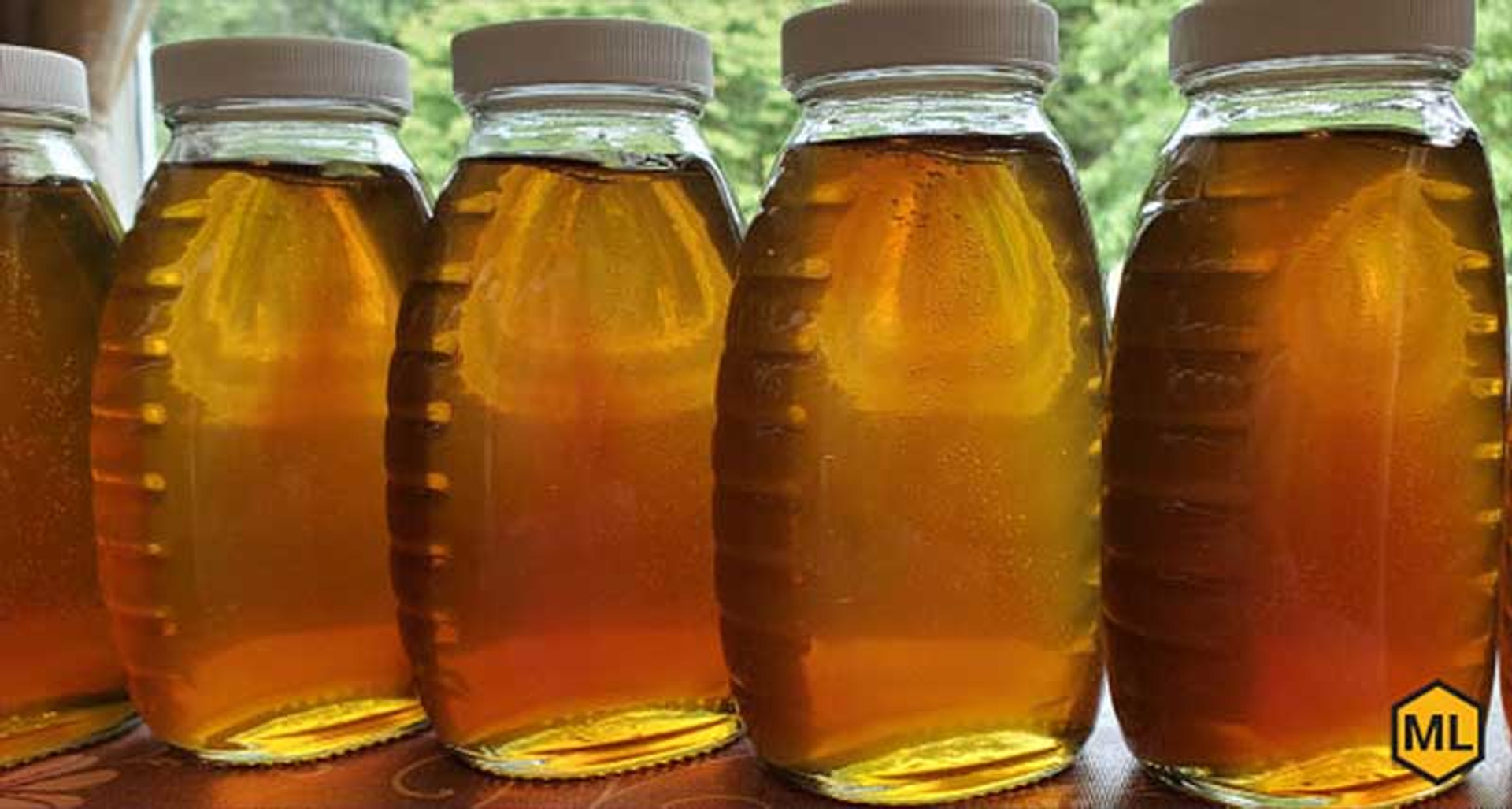
When you think of beekeeping, you probably think of honey. Selling honey is by far what most beekeepers do; it’s the most common way to earn money as a beekeeper. One joy of beekeeping is having your honey supply at home, and selling the surplus honey for additional income is a sweet deal.
Once you have a healthy and thriving beehive, the production cost of packaging and distributing honey is relatively low. On average, a U.S. honeybee colony produces about 50 pounds of honey per year! With more and more people shopping for natural and local foods, there’s a great demand for locally-made honey. In fact, Americans consume around 1.3 pounds of honey per person each year.
There are three types of production and their corresponding number of colonies:
- Hobbyist—25 colonies or fewer
- Part-time—25 to 300 colonies
- Commercial—more than 300 colonies
You can scale up your honey production to include food stores and grocery stores that can buy your local honey in larger quantities, thus increasing your beekeeping profit. Be sure you know the laws and regulations on the sale of honey in your locale and online.
How to Sell Honey for a Profit
Here are additional tips to make money out of honey:
- Ensure the quality of your honey. Follow the best practices in honey harvesting and handling and storage, floral sources, and other factors.
- Showcase your honey in the best way possible. Use correct labels (is it local, pure, raw, or organic?) and attractive bottles or containers that your target market will appreciate. You can buy these supplies in bulk, too.
- Price your honey accordingly. Research both national and local honey prices. National honey reports show the average honey price was about $2.96 per pound in 2022. However, direct-to-consumer sales of raw local honey often fetch much higher prices.
- Market and promote your honey online and offline. Test and ask people for their honest feedback.
- Put a honey-for-sale sign in your house. Sell in local farmers’ markets and online marketplaces.
In addition to jarred honey sales, try making food products with your honey, like dips, chips, desserts, and cookies. These products can diversify your offerings and increase your profit margin.
Selling Bees
Selling bees to new beekeepers or beginning farmers is another way of making money. But before conducting any sale transaction, confirm whether you need to secure a permit to sell and transport bees.
Honey bees for sale typically include the following:
- Queen bees: A mated queen can be sold on her own to help other beekeepers requeen or start a hive. Queens often sell for around $20 to $40 each, depending on the breed and supplier.
- Package bees: These are sold as a group of worker bees (usually 2 to 3 pounds of bees) with a young queen in a separate cage. A package of bees might cost roughly half to two-thirds the price of a nuc. The USDA reported the average package price was around $98 in 2022.
- Nucs, or nucleus colony: A nuc is essentially a starter mini-hive: usually 4 to 5 frames of drawn comb with an established, laying queen, plus brood and honey stores. Nucs command higher prices because they give buyers a head start. The average nuc was about $129 in 2022, but many sellers charge $150 to $200+ for a robust local nuc.
By raising extra queens or splitting strong hives to create nucs, you can develop these products to sell in the spring.
Selling bees can be seasonal. The business is often busiest in late winter and spring when new beekeepers are starting. Even so, it can significantly boost your income. Just remember to keep your own colonies healthy while doing so!
Nuc vs. Package Bees
Which is better to start a colony with: a nuc or a package? It depends on a beekeeper’s needs and budget:
- A nuc has an egg-laying and established queen, brood, and other bees. A small colony by itself, it has food and honey stores in the frames included. With everything in place and functioning, the nuc can set you to a good start with beekeeping.
- A package of bees contains a caged queen and worker bees. It does not come with a comb, so you’ll have to feed the bees. Nonetheless, the package bees are more affordable and easier to obtain than the nuc.
Online is a convenient platform for selling bees, setting up a pre-order for pickup (for nucs, especially) and shipping.
Other Bee Products
Honey isn’t the only product you can sell when making money with beekeeping.
Beeswax
Many beekeepers collect beeswax from their hives to make candles, soaps, lip balms, furniture polish, lubricants, and other goods. Beeswax is indeed an all-rounder, a must-have item in every home. Selling beeswax can add roughly 10–15% to your total revenue, since beeswax products often command premium prices.
Pollen
You can also collect pollen from your bees. While you won’t get as much pollen as you will with honey, you can sell it at a higher price due to its popularity as a dietary supplement. Bee pollen is known to be healthy, owing to its minerals, vitamins, and antioxidants.
Propolis
Another option is to collect propolis to use or sell. The sticky substance bees produce to maintain and disinfect their hive. Propolis is also in high demand because people use it to help treat sores or boost the immune system. The substance figures in skincare products, with purported anti-aging and acne-fighting properties.
Royal Jelly
For advanced beekeepers, royal jelly is another specialty product. Royal jelly is the nutrient-rich food secreted by nurse bees to feed queen larvae. It’s prized in dietary supplements and cosmetics for its potential health benefits.
Royal jelly can sell for over $50 per ounce. That price reflects how precious and labor-intensive it is to harvest. While harvesting royal jelly requires careful timing and sacrificing potential queen bees, it can be a lucrative niche if you develop the skill and market for it.
By tapping into these other bee products, you create multiple streams of income from your hives. This not only boosts your overall beekeeping profit but also cushions your business. If one product has a slow season (say, a poor honey flow), the others can help carry you through.
Bee Services
Experienced beekeepers might make money through services as well as products. Some farmers pay beekeepers to temporarily relocate their hives near their crops to pollinate them and help them grow.
Other beekeepers might offer swarm removal services to capture and relocate bee swarms. You can also earn money by raising and selling starter hives or replacement bees for other beekeepers. Sometimes, you can sell your used beekeeping equipment and offer your expertise through consulting and advisory services.
Pollination Services
Bees play an important role in agriculture and food production. As someone raising bees, you can offer pollination services to farmers and orchard owners who need bees to pollinate their crops. In fact, pollination has become the number-one revenue source for many commercial beekeepers. U.S. beekeepers earned about $241 million from pollination service fees in 2022.
The most common way to provide this service is to rent out your hives to farmers for a few weeks during crop bloom. Almond growers are among the most noted users of the service, as almonds need bees (and bees need almonds). Commercial honey bees from all over the United States are brought in for the almond pollination season in California.
You’ll typically move or ship your hives to the farmer’s location (often transporting them at night when the bees are all in the hive). The rental agreement may be charged by the hive or by the colony strength. The profit per hive can be substantial. For example, almond pollination contracts have averaged about $185 to $225 per hive in recent seasons!
At the rates above, a beekeeper with 100 hives could gross around $20,000 from a few weeks of almond pollination work. Other crops (like blueberries, apples, or melons) also pay for pollination, though typically less than almonds.
Keep in mind that offering pollination services comes with extra work and costs. However, if managed well, renting out hives for pollination can be highly profitable.
Bee Removal Services
Your experience in handling bees can be useful to property owners with unwanted swarms on their property. It happens that bees or other types make a home out of walls or trees, and you need to remove and relocate them somewhere safe.
Rates for a bee removal service vary, as you’ll have to assess the extent of the infestation first. Whether you’ll need equipment to access the bees or the hive adds to the cost.
On average, professional bee removal costs about $150 to $500 (the national average is around $180 for a standard job). Factors like your region, the size of the colony, accessibility, and whether construction repair is needed afterward will influence the price.
Keep in mind that while many people are happy to pay for bee removal, some beekeepers in local clubs offer simple swarm catches for a minimal fee or even for free. That’s often the case if it’s a small, easy-to-get swarm. Some beekeepers offer a lower rate if the customer is okay with them keeping the recovered bees. After all, those bees then become valuable additions to an apiary.
Is Beekeeping Profitable? Making Money from Raising Bees
So, how profitable is beekeeping in reality? Beekeeping is not a get-rich-quick scheme, but money can be made from products and services involving honey and bees. Most new beekeepers won’t turn a large profit immediately. Often, any earnings in the first year or two are reinvested into more hives or better equipment.
It’s unlikely a beekeeper will be profitable with just one hive. Starting with at least two hives is recommended so you can spread out fixed costs and increase your chances of success.
With that said, money can be made from the many products and services involving honeybees. In fact, well-managed beekeeping operations can achieve net profit margins of 15 to 25%.
Take a look at these ideas to increase your profit per hive:
Plant for Your Bees
Create a bee-friendly environment with plenty of nectar and pollen sources throughout the growing season. If your bees have ample food nearby, they’ll produce more honey (and be healthier), which boosts your profits.
Keep Your Bees Healthy
Invest time in monitoring hive health. Prevent or treat diseases and pests like Varroa mites promptly. Healthy colonies are more productive in honey, beeswax, and more. They’ll also be less likely to suffer losses that can cost you money to replace.
Update Your Knowledge and Skills as a Beekeeper
Continuously educate yourself through beekeeping classes and local clubs. Online resources can help, too. The more you know about modern techniques, the better you can optimize your operation and reduce costs.
Offer More Products or Services
Don’t just stick to honey. Consider selling bees, beeswax goods, pollen, propolis, or offering pollination and removal services. Diversifying can significantly increase your income per hive. It can also cushion against a bad season in any one area.
Find Ways to Save on the Costs of Beekeeping
Find ways to save on the costs of beekeeping without compromising quality. For instance, build some equipment yourself, buy supplies in bulk, or share resources (like an extractor) through a bee club. Every dollar you save on expenses is added profit in your pocket, improving your bottom line.
Has the buzz gotten to you? Time to put your money where the honey is. Explore our bee packages and start your beekeeping journey the smart way.