
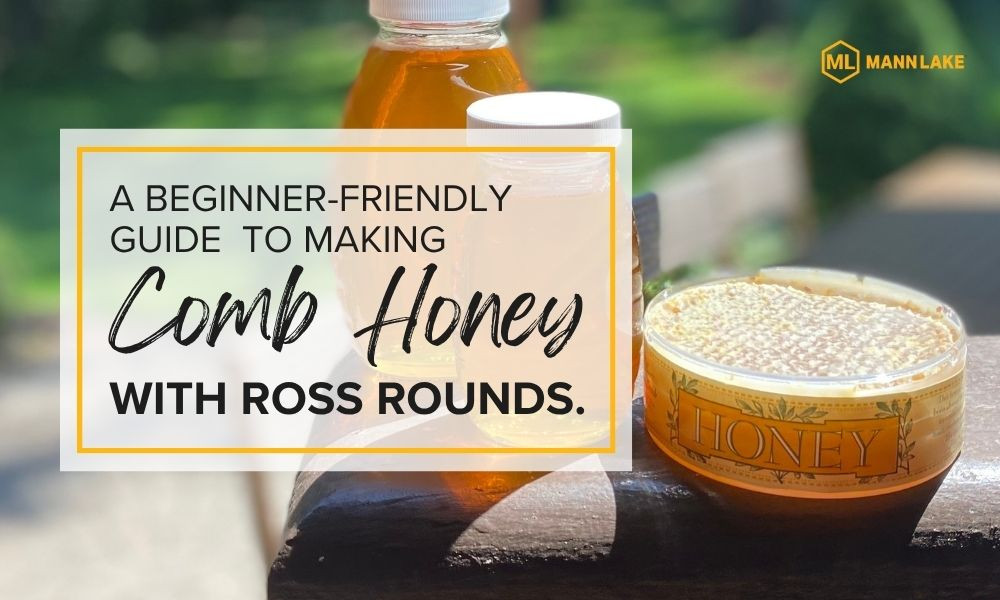
A Beginner-Friendly Guide to Making Comb Honey with Ross Rounds
Comb honey is one of the most rewarding products you can make as a beekeeper—and it’s more approachable than many think. Using the Ross Rounds system, you can produce clean, consistent sections that are ready for sale straight from the hive.
Start with Strong Wax Production
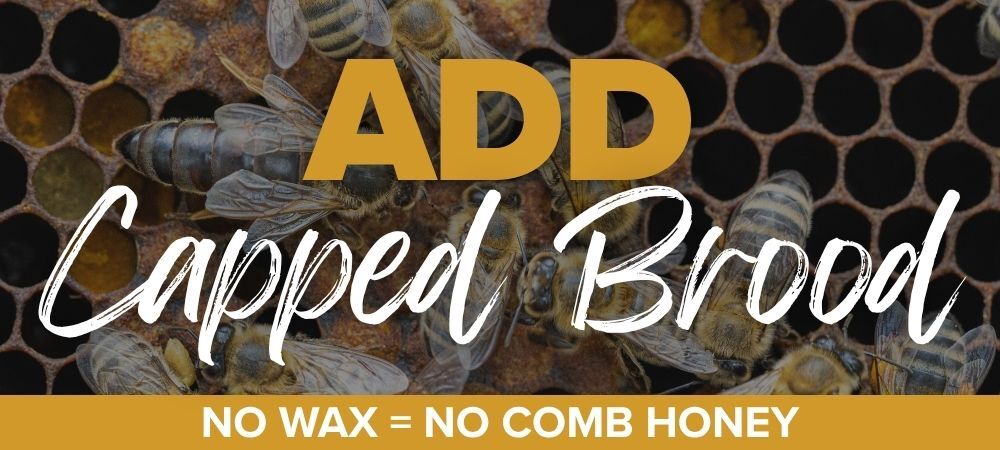
Many beekeepers overlook this, but you can’t make comb honey without wax production.
You’ll need a lot of bees, at the right age, to make wax. Worker bees produce wax during a short window—roughly 10–18 days old—when their wax glands are most active .
To set your hive up:
- Stack your hives with capped brood a few weeks before the nectar flow
- Add frames from other hives if neede
This ensures you have 11-day-old bees in prime wax production stage ready to draw comb and store honey.
Population Matters More Than You Think
Tip #2 goes hand in hand with wax production: you need a strong population.
It takes a lot of bees to make both honey and wax. If your colony isn’t booming, your comb honey results will reflect that.

Know Your Nectar Flow
Knowing when to put supers on—especially comb honey supers—is critical.
If timing is off, bees may not draw comb or fill sections properly. Keeping notes year to year helps you dial in your local nectar flow so you can:
- Add supers at the right time
- Ensure sections get fully drawn and filled
Try Under-supering for Better Results
A simple but effective technique:
- Let a regular honey super sit on the hive and begin filling
- Then place your Ross Rounds super underneath it
Bees don’t like the gap between brood nest and honey storage, so they’ll move in quickly to fill that space—helping your sections get drawn and filled faster.
Encourage Comb Building with Wax
The Ross Rounds system uses thin surplus foundation with plastic section rings.
Some beekeepers have found it helps to:
- Melt down beeswax
- Use a brush to paint wax onto the inside of the white section rings
This can help bees take to the plastic faster and begin building comb.
Skip the Queen Excluder
Personally, many experienced beekeepers don’t use a queen excluder when making Ross Rounds.
- You might occasionally get brood in a section or two
- But it’s rare
Allowing bees unrestricted movement helps with comb production and overall progress.
Use Swarms to Your Advantage
Since wax and comb production is the key—what does that sound like? A swarm.
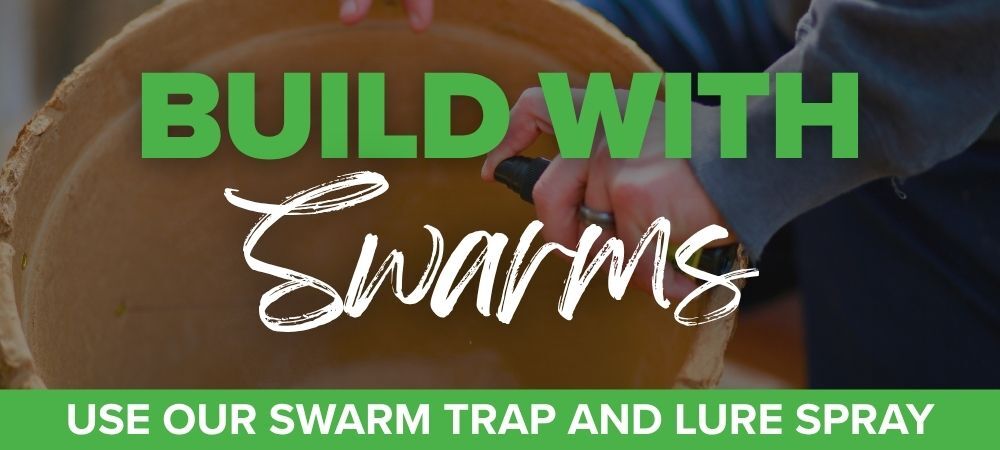
Drop a swarm into a single brood chamber and put a Ross Rounds system on top. You’ll be amazed at how fast they draw comb and fill frames. Some beekeepers have had swarms fill multiple systems in a single season.
Pro tip: Increase your chances of catching swarms by using a swarm trap and lure spray. Tools like the Mann Lake Swarm Trap paired with Swarm Commander Lure Spray can help you attract and capture swarms to put straight to work.
Don’t Overthink It
Anyone who keeps bees can make comb honey.
If you’ve ever had a hive draw out frames, you can make comb honey. At its core, it’s just:
- Bees drawing foundation
- Then filling it with honey during a nectar flow
Once you start producing it, then you can focus on improving the craft. But getting started is simpler than most people think.
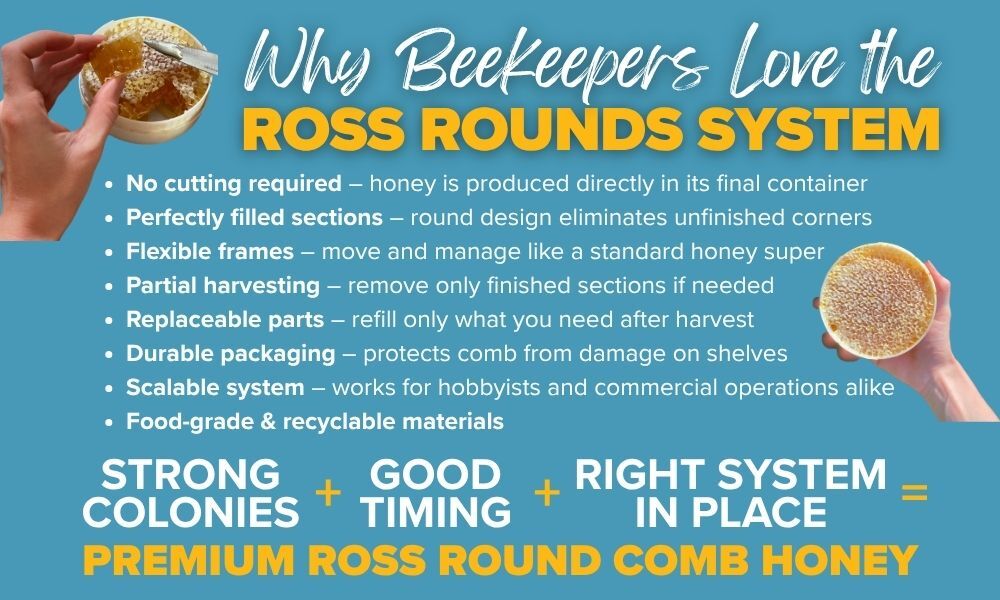
Why Beekeepers Love the Ross Rounds System
The Ross Rounds system isn’t just about producing comb honey—it’s about making the process simpler and the final product better.
Final Thoughts
Comb honey production doesn’t have to be complicated.
Focus on:
- Strong colonies
- Good timing
- Letting bees do what they naturally do
The rest will follow.
Tips in this guide were contributed by an EAS Master Beekeeper and owner of Ross Rounds, based on real-world comb honey production experience.